The first wildlife collar with long-term acoustic monitoring. Field-proven across 5 species, 3 continents, and thousands of hours of data.
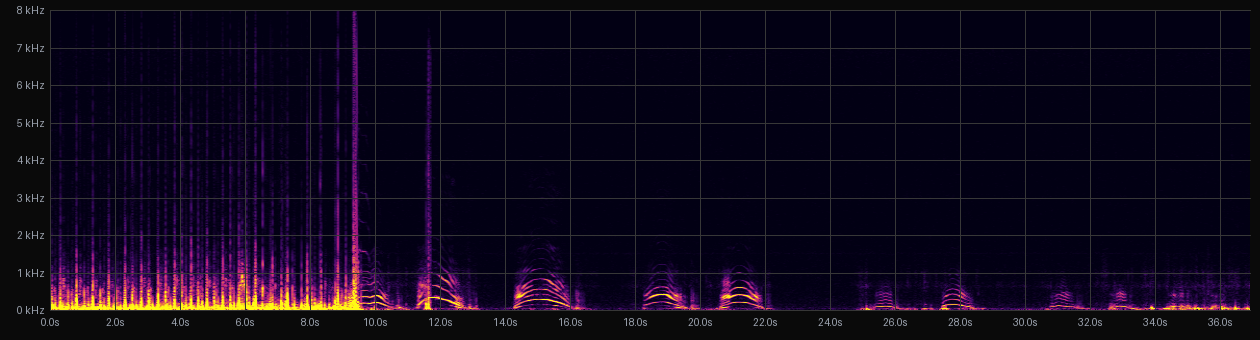
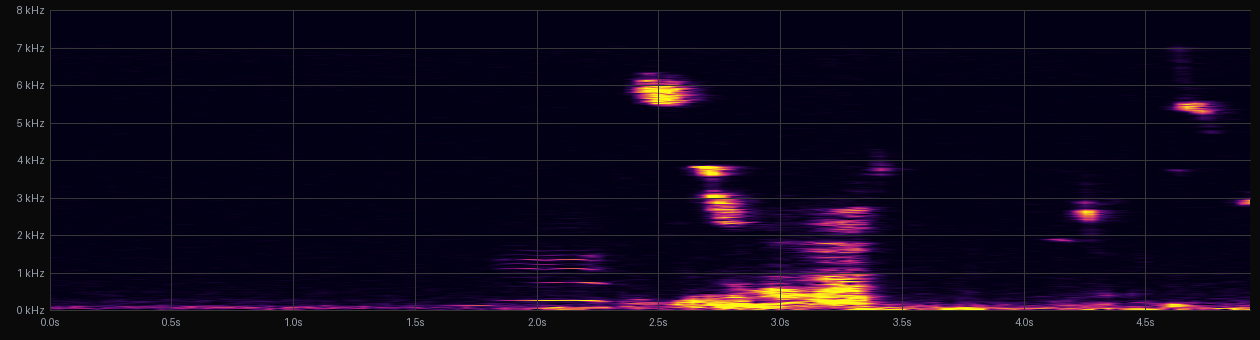
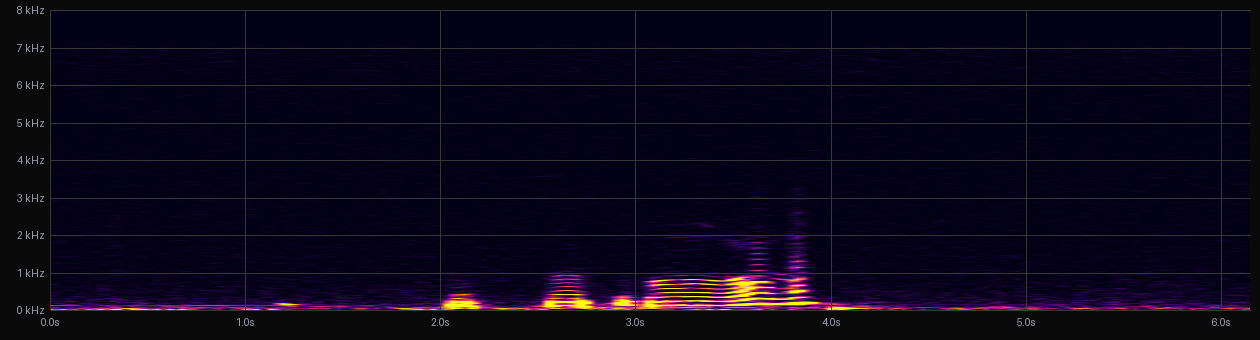
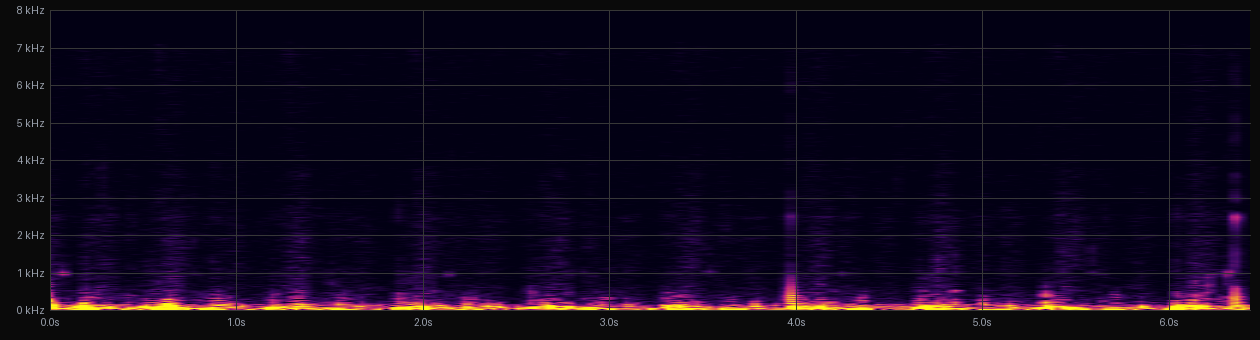
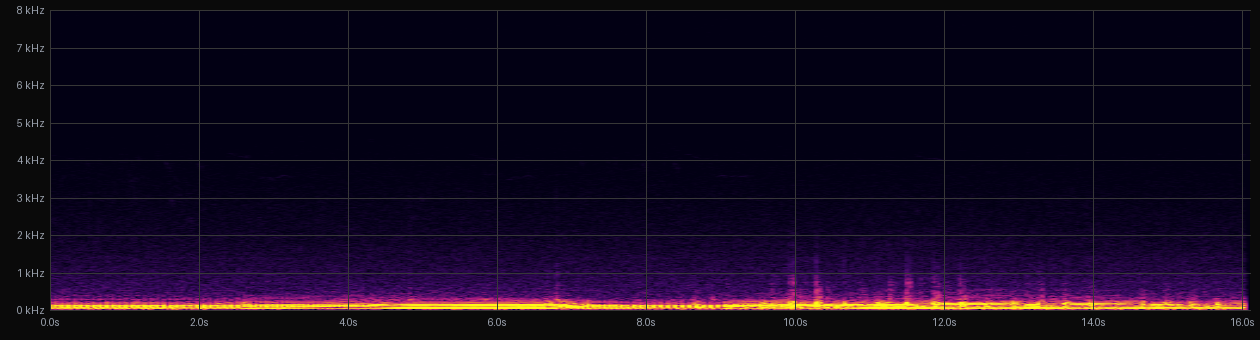
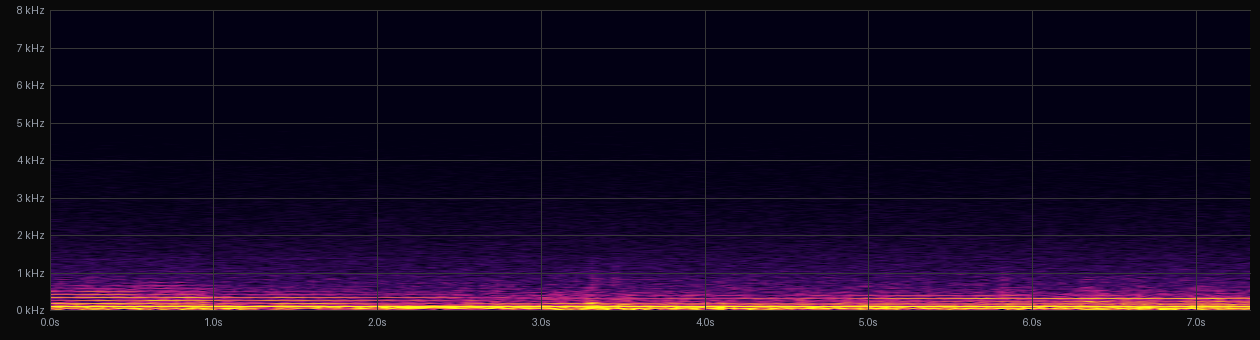
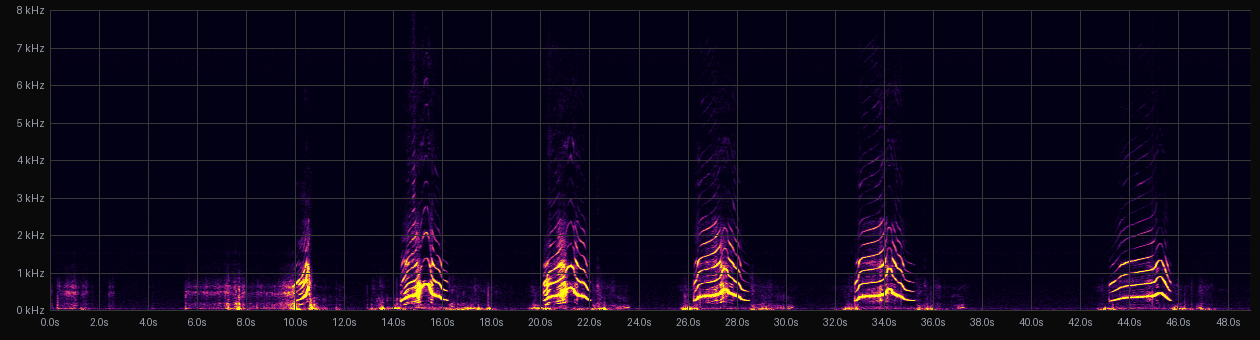
No other wildlife collar captures long-term audio in the field. CollarID's acoustic system — optimized with insights from acoustic experts at MIT and in industry — records what existing platforms miss entirely.
GPS tells you where an animal goes. CollarID tells you what it's doing, hearing, and breathing — in the field, at full duty cycle, for the length of the deployment.
Synchronized audio + IMU + GPS lets behavioral states emerge from direct multi-modal measurement, not from probabilistic classifiers built on movement alone.
Long-form recording at deployment timescales replaces the sampling bias of trigger-based capture — you get the rare events alongside the common ones.
On-animal particulate, gas, temperature, and humidity sensing — recorded against the same timeline as movement and vocalization, so you see exposure events and their behavioral consequences in one file.
Total Weight
Hours of Field Audio
Species Deployed
Continents
150 grams. Solar-powered. Built to survive a lion bite. Designed for years in the field, not weeks.
A conventional research collar in this category weighs 1–2 kg, with most of that mass devoted to a battery large enough to sustain a roughly 4-hour GPS fix cadence over a year-long deployment. CollarID Mk II runs 150 g, on solar, at fix rates several times finer than convention.
Total weight, with multi-modal sensors and continuous bioacoustics — vs 1–2 kg typical for year-long collars.
Field-validated GPS + LoRaWAN uplink cadence, sustained over several months on free-grazing cattle — vs ~4 h convention.
Solar-augmented operation engineered for indefinite uptime; no battery-swap retrieval required.
That isn't battery chemistry magic. Every subsystem — radios, sensors, MCU duty cycles, file system, peripheral wake/sleep — has been individually power-budgeted and hand-tuned against its physical lower bound. The configurator's Power tab exposes the same per-subsystem energy equation the firmware uses, so you can preview the longevity of any deployment schedule before committing it.
The honest trade. The most expensive premium collars include satellite uplinks (Iridium, Globalstar) for zero-infrastructure deployments. CollarID currently uses LoRa / LoRaWAN, which requires terrestrial gateway coverage or a local base station at the deployment site. A modular satellite-uplink node and an automated drop-off mechanism are both in active development — the drop-off is currently in pilot testing.
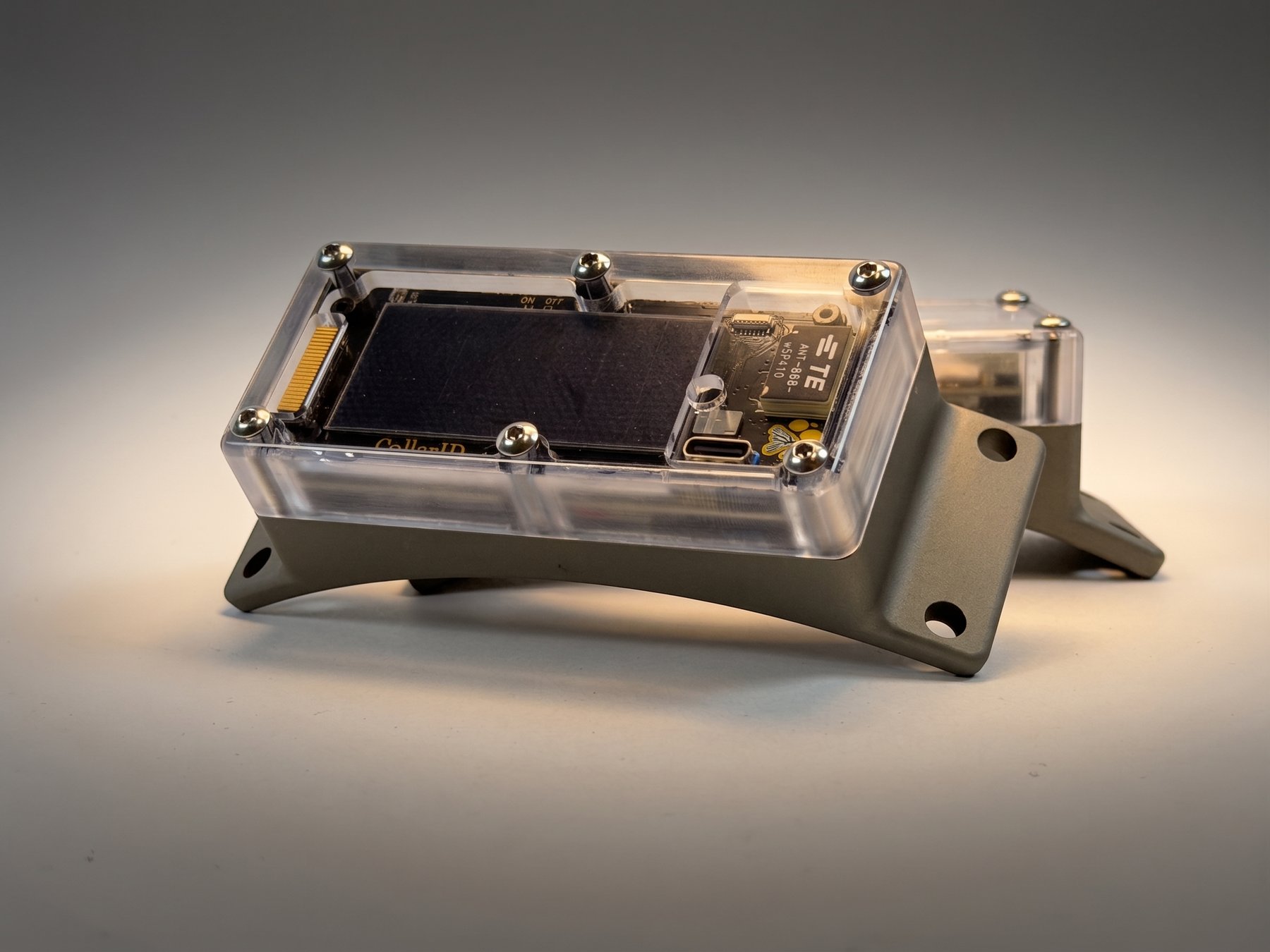
Exploded view of the Mk I prototype shown here. Mk II carries the same enclosure architecture — polycarbonate cover, machined anodized-aluminum base, gasketed perimeter. The assembled Mk II is pictured at the top of this section.
Designed for durability. Validated using Finite Element Analysis (FEA) against the bite force of a lion. Polycarbonate cover, machined anodized-aluminum base, EPDM gasket compressed by six perimeter screws — survived two consecutive cycles of pressurised warm-water spray with surfactant detergent in in-house testing, with no ingress or post-test degradation.
FEA simulations validate structural integrity, ensuring the device can withstand the physical demands of tracking wild animals like lions and hyenas.
Deployed on wild and domestic species across Africa, South America, and North America. Every deployment generates real data and refines the platform.
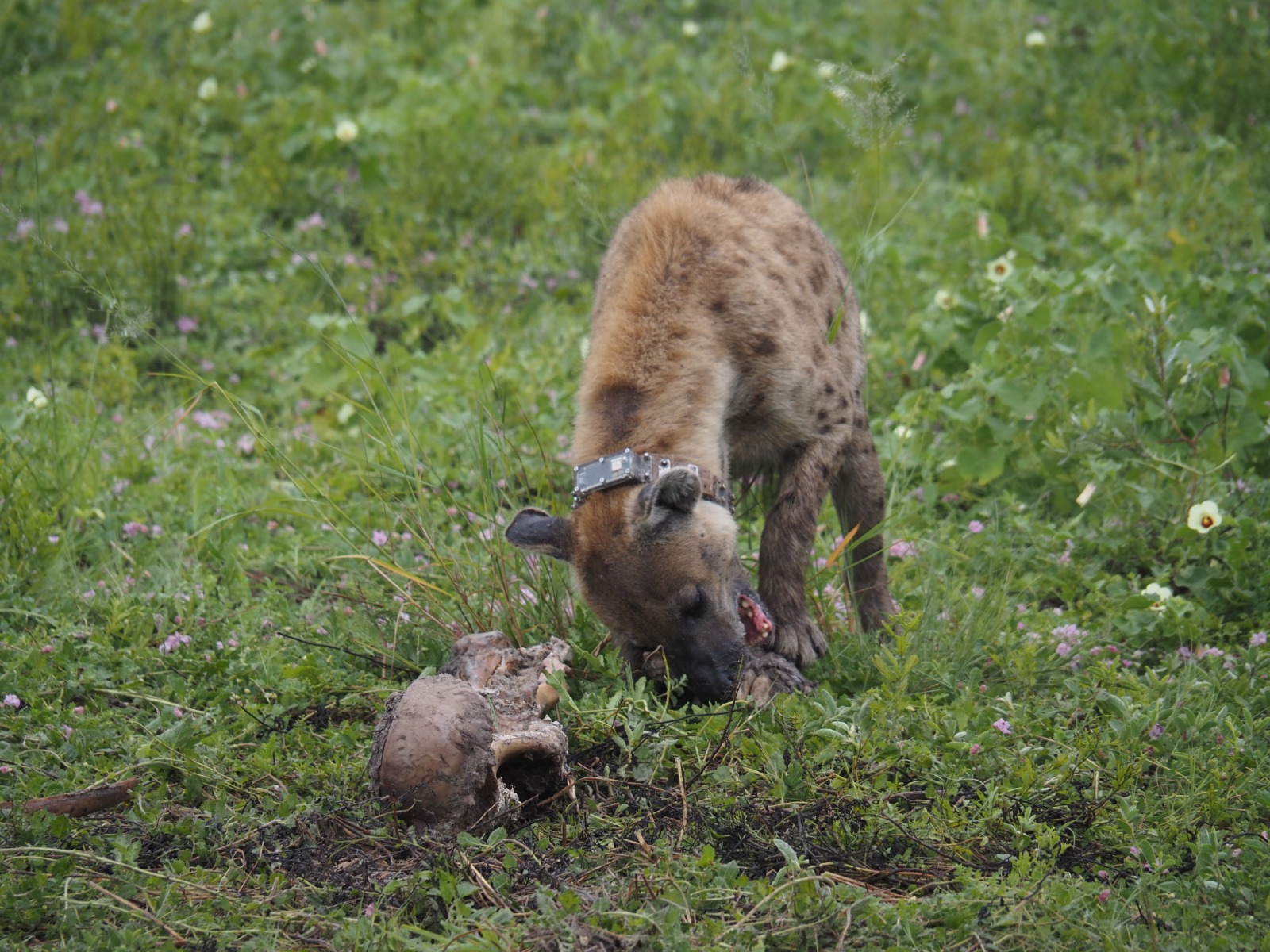
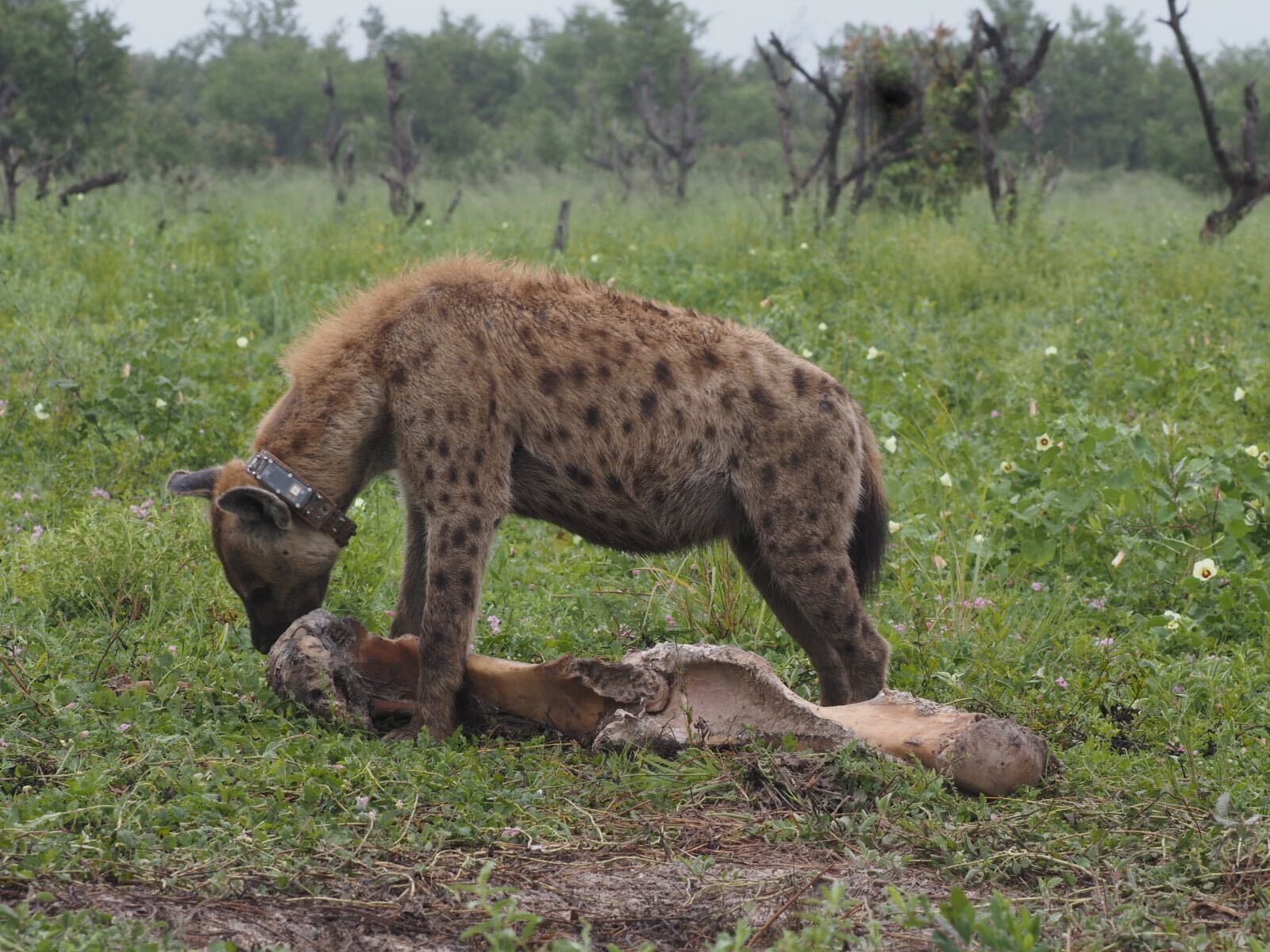
Deployed November 2025 in collaboration with Rohan Wadhwa, wildlife ecologist and doctoral student at the University of Georgia, studying spotted hyena movement ecology and human-wildlife conflict mitigation. Collected 3 weeks of continuous nocturnal acoustic data.
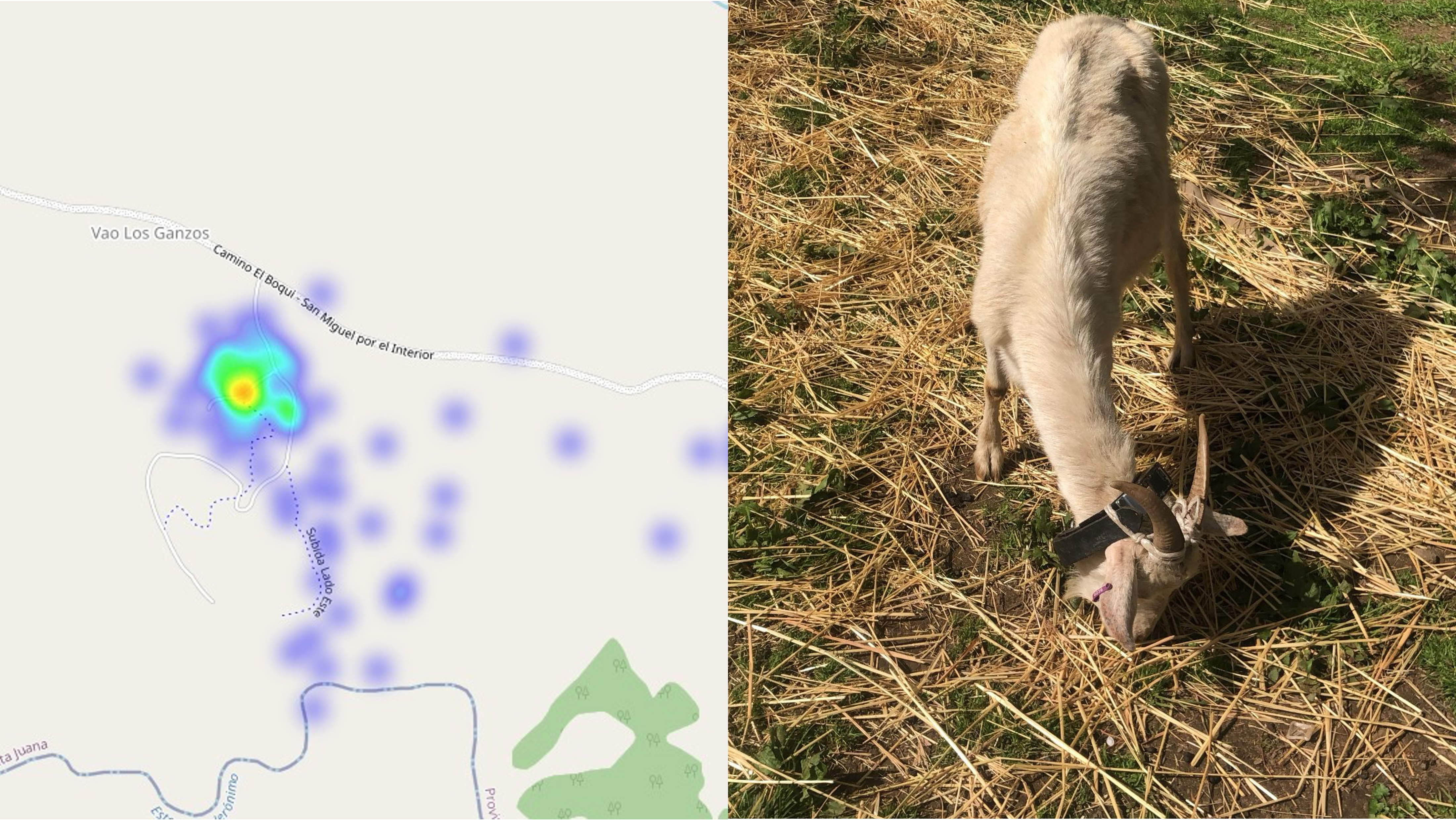
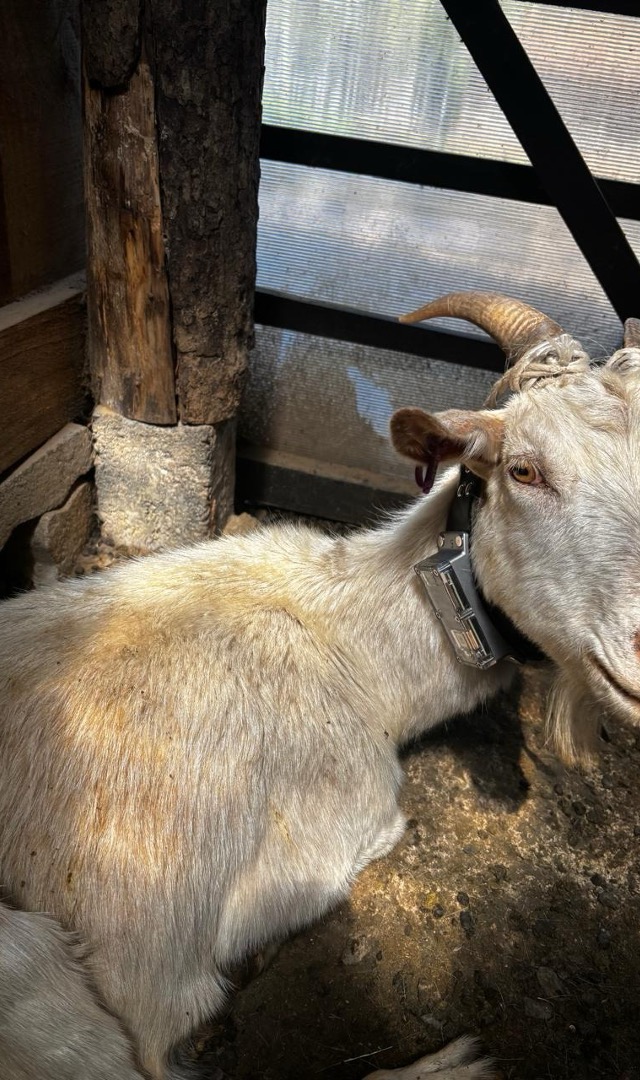
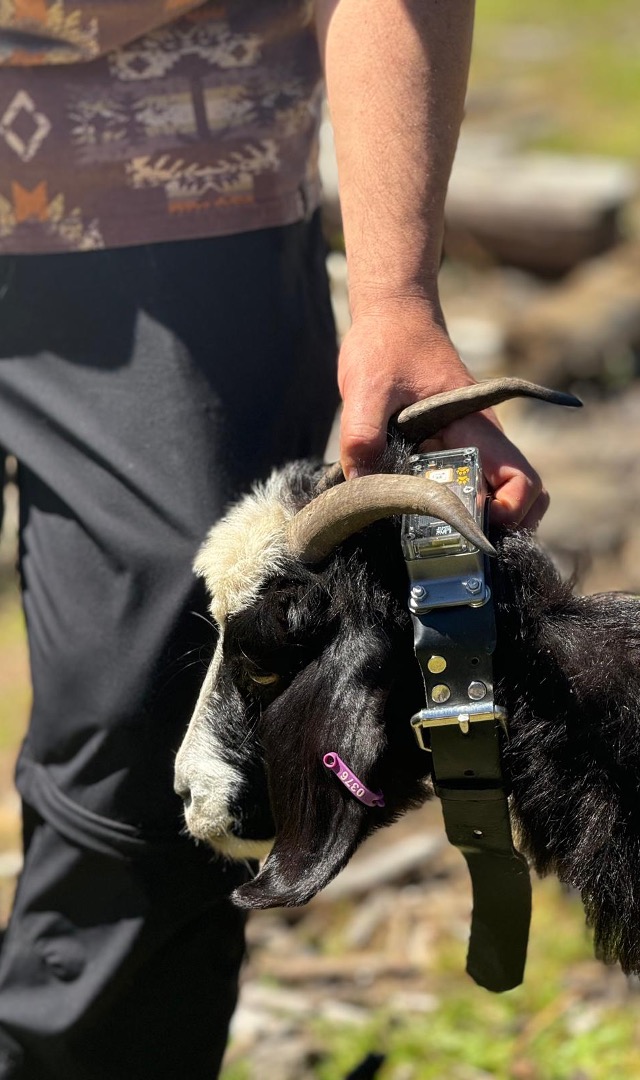
Two-week pilot with Buena Cabra and the MIT City Science Group, monitoring goat grazing behavior as a natural method for clearing dry wildfire fuel. Acoustic and IMU data captured feeding patterns to measure vegetation clearing effectiveness.
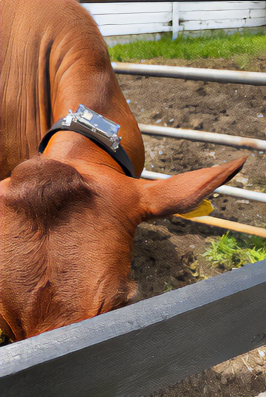
Multi-month deployment in partnership with Northaven Pastures, including through winter conditions. Three collars tracked cattle behavior and environmental exposure across seasons.
Pilot deployment on domestic dogs in indigenous communities, in collaboration with Stephanie Mitchell, doctoral candidate in Environmental Health Sciences at the University of Washington.
CollarID began as a PhD thesis at the MIT Media Lab. It's now a field-proven platform shipping to researchers worldwide.
Designed by Patrick Chwalek, PhD, CollarID was developed at the MIT Media Lab in collaboration with Kioxia Corporation, MIT researchers, and in consultation with National Geographic and the broader ecology and conservation community.
The Mk I platform has been validated across multiple field deployments — from spotted hyenas in Botswana to cattle surviving New York winters. Every deployment has returned usable data and informed the next iteration.
The Mk II builds on thousands of hours of field data with an optimized system architecture, lower assembly cost, and a larger solar panel for extended autonomous operation. Units are now available for pilot deployments.
Africa, South America, North America
Hyenas, goats, cattle, dogs — and more to come
Built at MIT. Used by university researchers and conservation organizations.
The same multi-modal sensing that classifies a hyena's behavior in Botswana works on animals closer to home. Researchers and operators have explored CollarID for equine activity and sleep patterns, working-dog welfare across shift cycles, and livestock behavioral signals around heat stress, parturition, or husbandry events.
If you have a working-animal application that off-the-shelf trackers can't cover — and you can describe the question in research terms — we'd like to hear from you.
Whether you're a researcher, conservation organization, or funder — we'd like to hear from you. Mk II units are available for pilot deployments.
Get in Touch